
A Complete Guide to Acne-Prone Skin: Causes, Features & Skincare Steps
What Is Acne-Prone Skin?
Acne-prone skin is a skin condition characterized by an increased tendency to develop breakouts, rather than a specific skin type. It can affect oily, dry, combination, or sensitive skin.
Common signs include:
- Blackheads and whiteheads
- Papules and pustules
- Cystic acne
- Clogged pores (comedones)
- Inflammation and redness
Key Causes
Acne development is driven by four primary mechanisms:
- Excess sebum production
- Follicular hyperkeratinization (clogged pores)
- Proliferation of Cutibacterium acnes (C. acnes)
- Inflammatory response
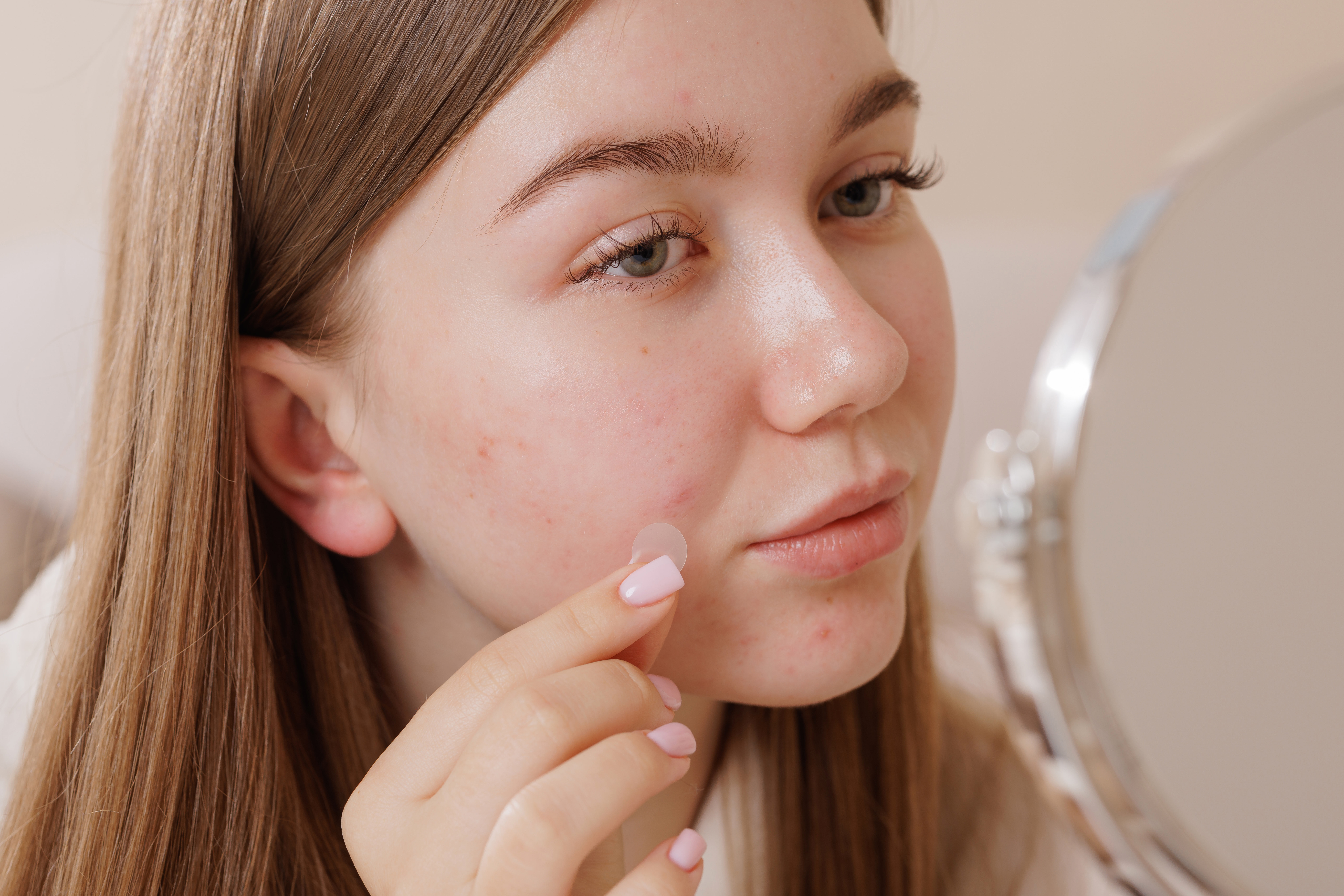
How to Identify Acne-Prone Skin
You may have acne-prone skin if you experience:
• Recurring breakouts on the T-zone and chin
• Oily appearance and enlarged pores
• Rough, uneven skin texture
• Post-acne marks or scarring
• Family history of acne

Common Triggers
Internal Factors:
- Hormonal fluctuations (puberty, menstrual cycle)
- Genetics
- Stress and lack of sleep
- Certain medications (e.g., steroids)
External Factors:
- Humid climate and pollution
- Use of comedogenic products
- Improper cleansing habits
- High sugar or dairy intake (may be associated in some individuals)
What Does Acne-Prone Skin Look Like?
Texture: Uneven, bumpy skinOiliness: Visible shine, especially in the T-zone
Breakouts: Inflamed, red lesions
Scarring: Ice-pick, boxcar, or rolling scars
Step 1: Cleanse
Use a gentle, non-comedogenic cleanser twice daily.
Double cleanse if wearing makeup, sunscreen, or heavy products.
Note: “Non-comedogenic” claims are not globally standardized and depend on overall formulation.
Step 2: Exfoliate (1–2 times/week)
Use chemical exfoliants such as salicylic acid (BHA) or glycolic acid (AHA) to unclog pores and refine texture.
Step 3: Moisturize
Hydration is essential for all skin types. Choose lightweight, oil-free formulas with ingredients such as:
1. Hyaluronic Acid
2. Aloe Vera
3. Green Tea Extract
Step 4: Treat
Use targeted treatments with:
1. Salicylic Acid
2. Benzoyl Peroxide
3. Azelaic Acid
4. Niacinamide
Vitamin C is better suited for brightening and fading post-acne marks, rather than treating active acne.
Step 5: Sun Protection
Apply a broad-spectrum sunscreen (SPF 30 or higher) daily. Choose lightweight, non-comedogenic formulations.
OEM Formulation Perspective
From an OEM standpoint, acne-focused formulations should aim to:
- Balance sebum production
- Reduce inflammation and bacterial activity
- Support skin barrier repair
- Minimize irritation and comedogenic risk
A well-balanced formulation is key to delivering both efficacy and skin tolerance.
Final Takeaways
- Acne-prone skin is manageable with the right approach
- Consistent skincare helps prevent breakouts and reduce long-term damage
- Focus on gentle cleansing, hydration, sun protection, and targeted treatments
- Customize routines based on individual skin needs